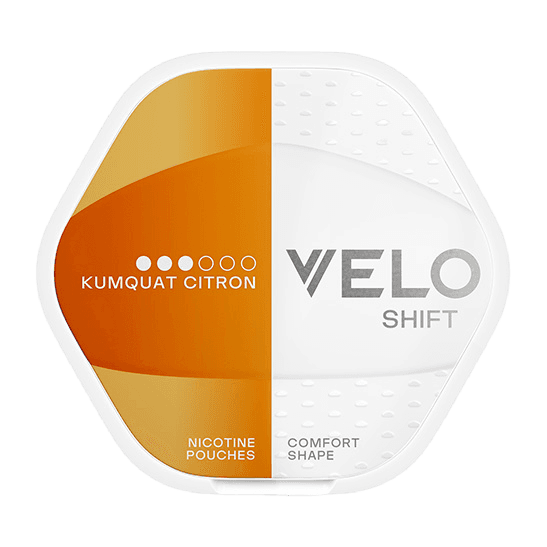
BAT has been McLaren's Official Principal Partner since 2020. The two extended the deal for several years in April 2024, and BAT repeated the title at the end of the 2025 season. PMI's relationship with Ferrari is much older and runs all the way back to Marlboro.
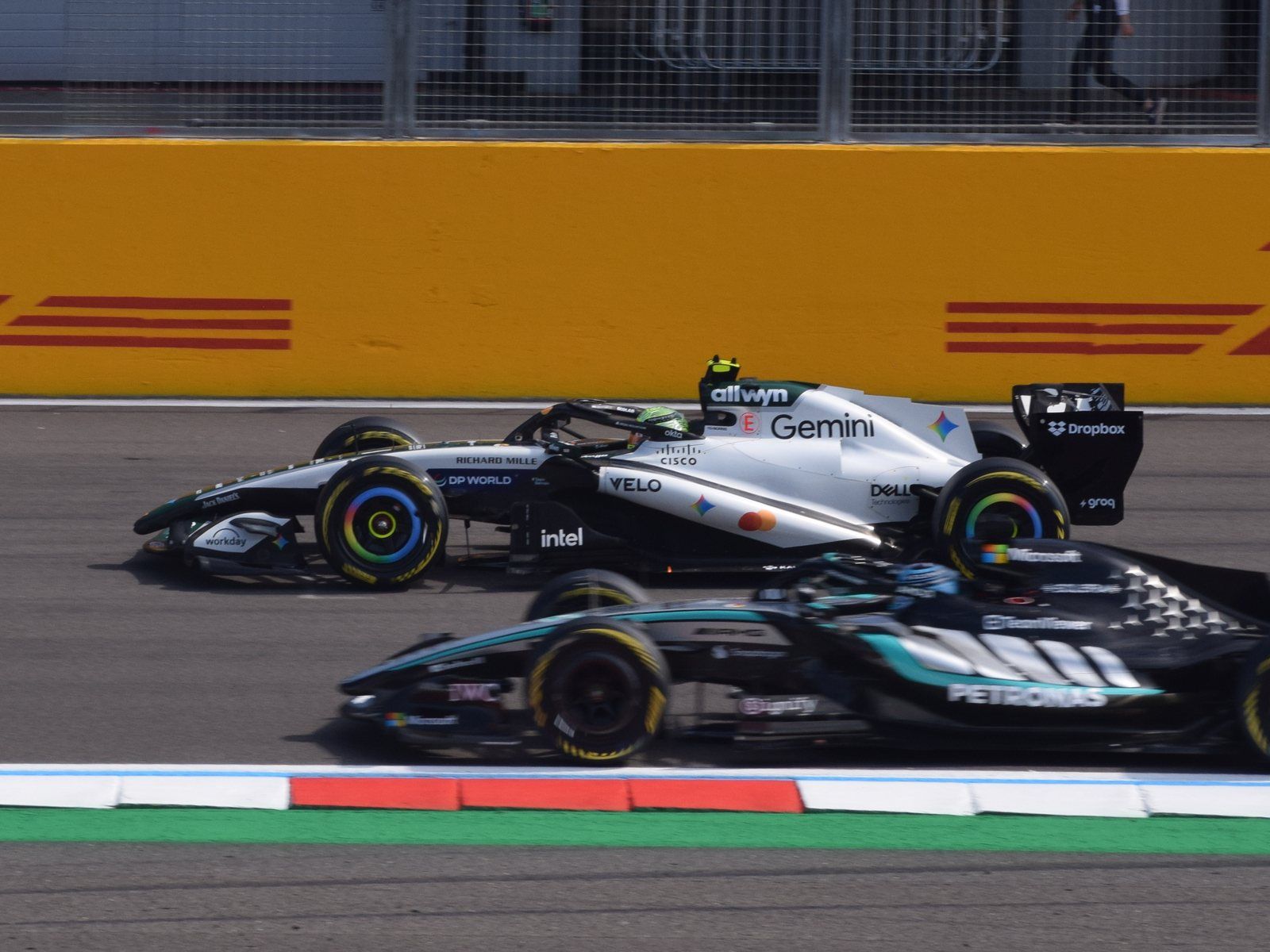
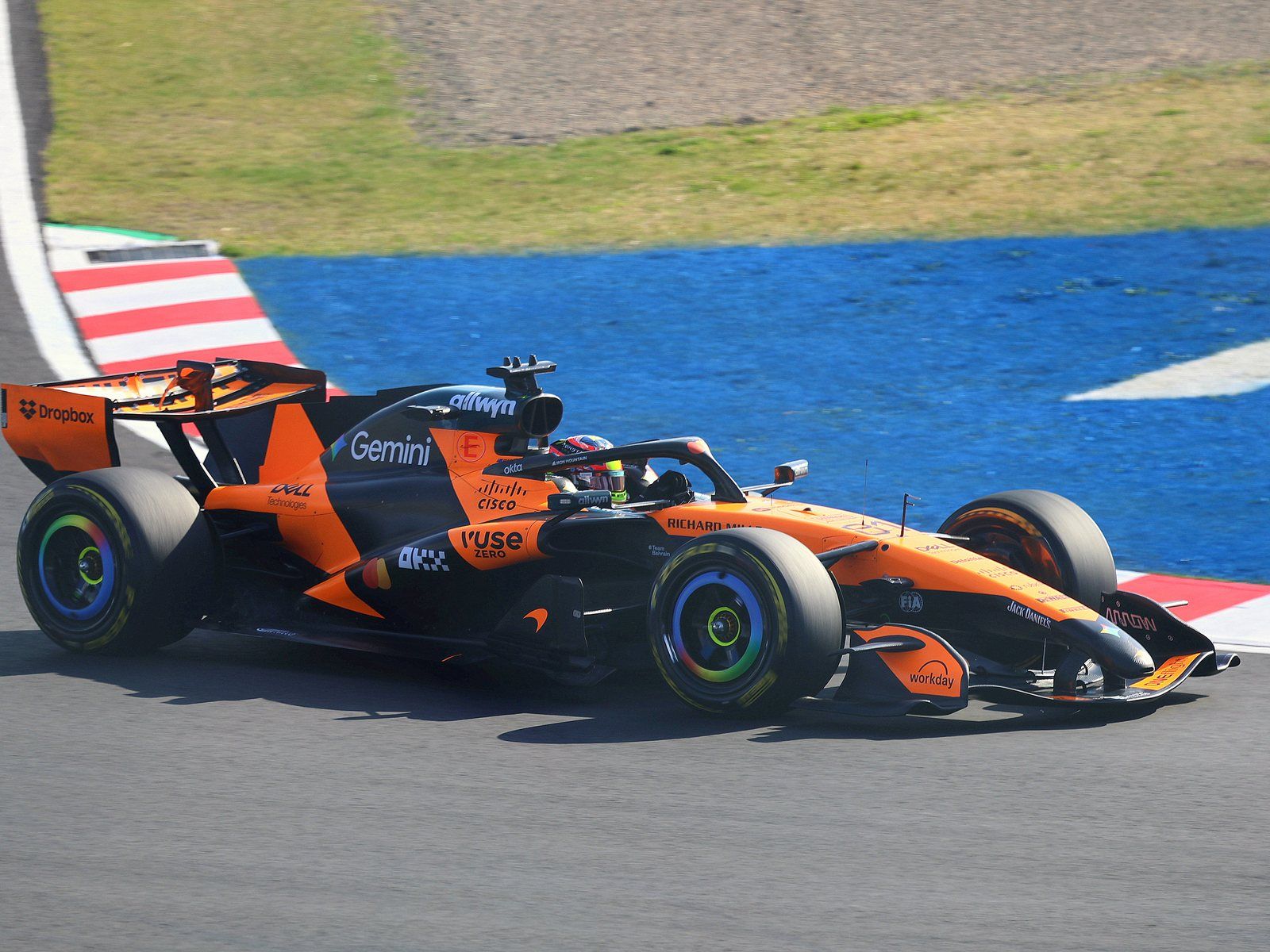
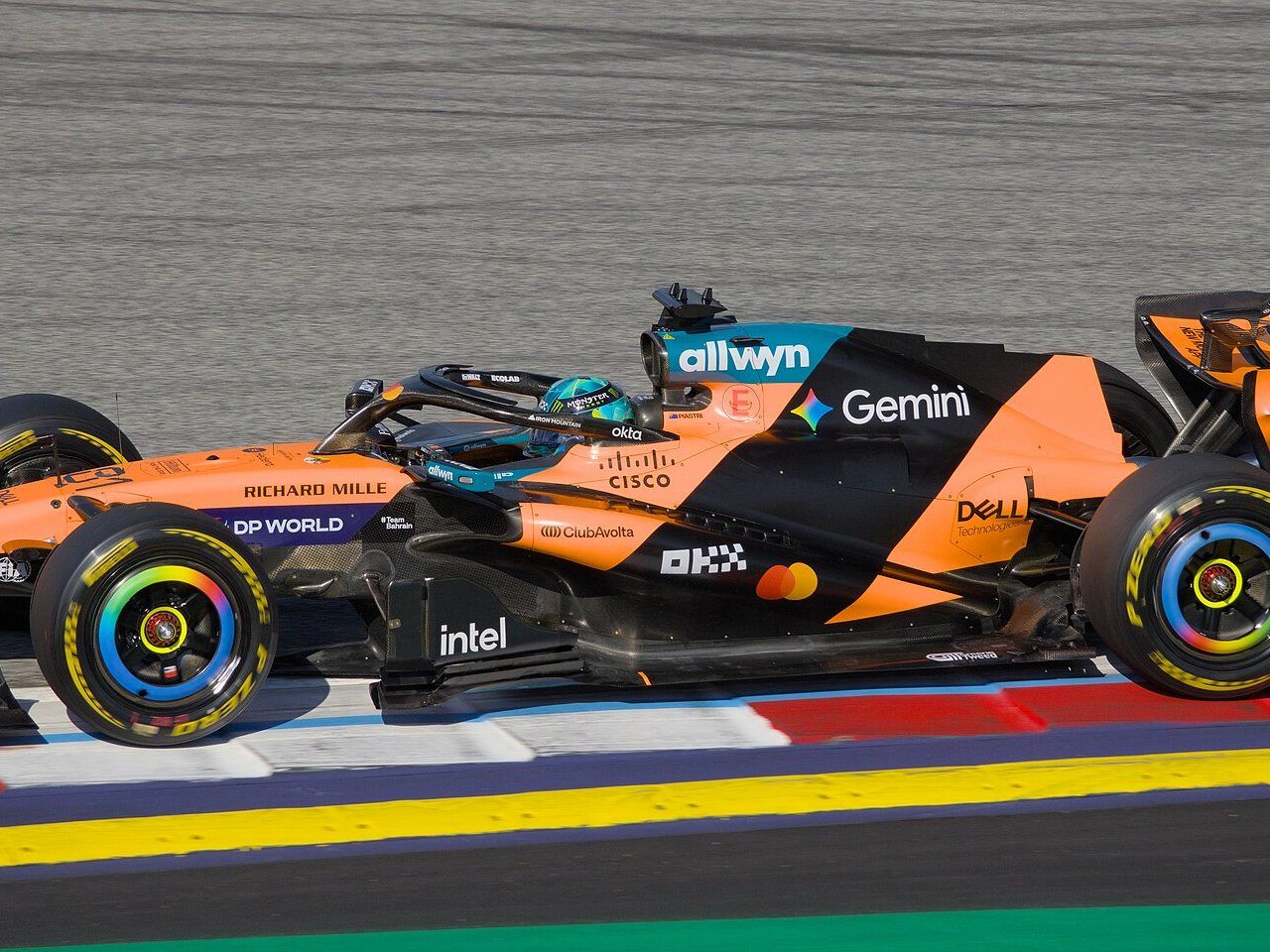
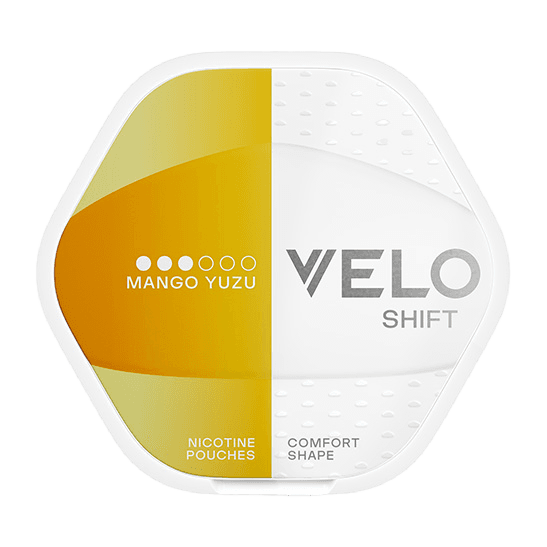
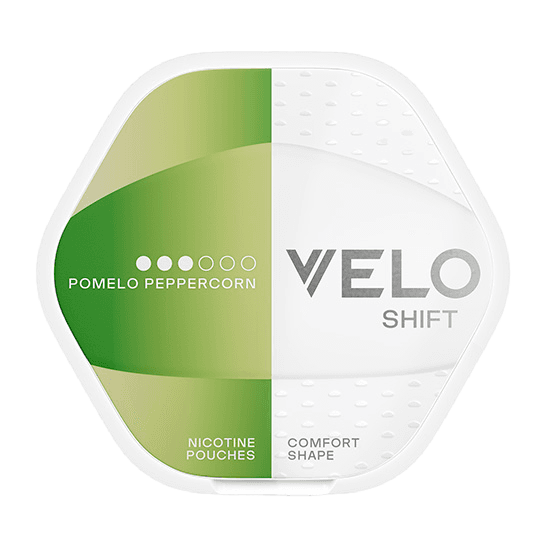
The two brands first shared a grid on 7 December 2025, at the season finale in Abu Dhabi. ZYN made its debut on the Ferrari, McLaren ran a VELO livery designed with fans, and Lando Norris finished third that night to win the world title by two points.
The deals reach beyond F1, too. BAT's American arm backs the Arrow McLaren IndyCar team, whose number 7 car races as the "VELO Arrow McLaren Chevrolet". In May 2026 PMI extended its partnership with Ducati, a sponsor relationship that dates back to 2003, to put ZYN on the MotoGP bikes at selected races.
What VELO and ZYN are (and why "snus" is the wrong word)
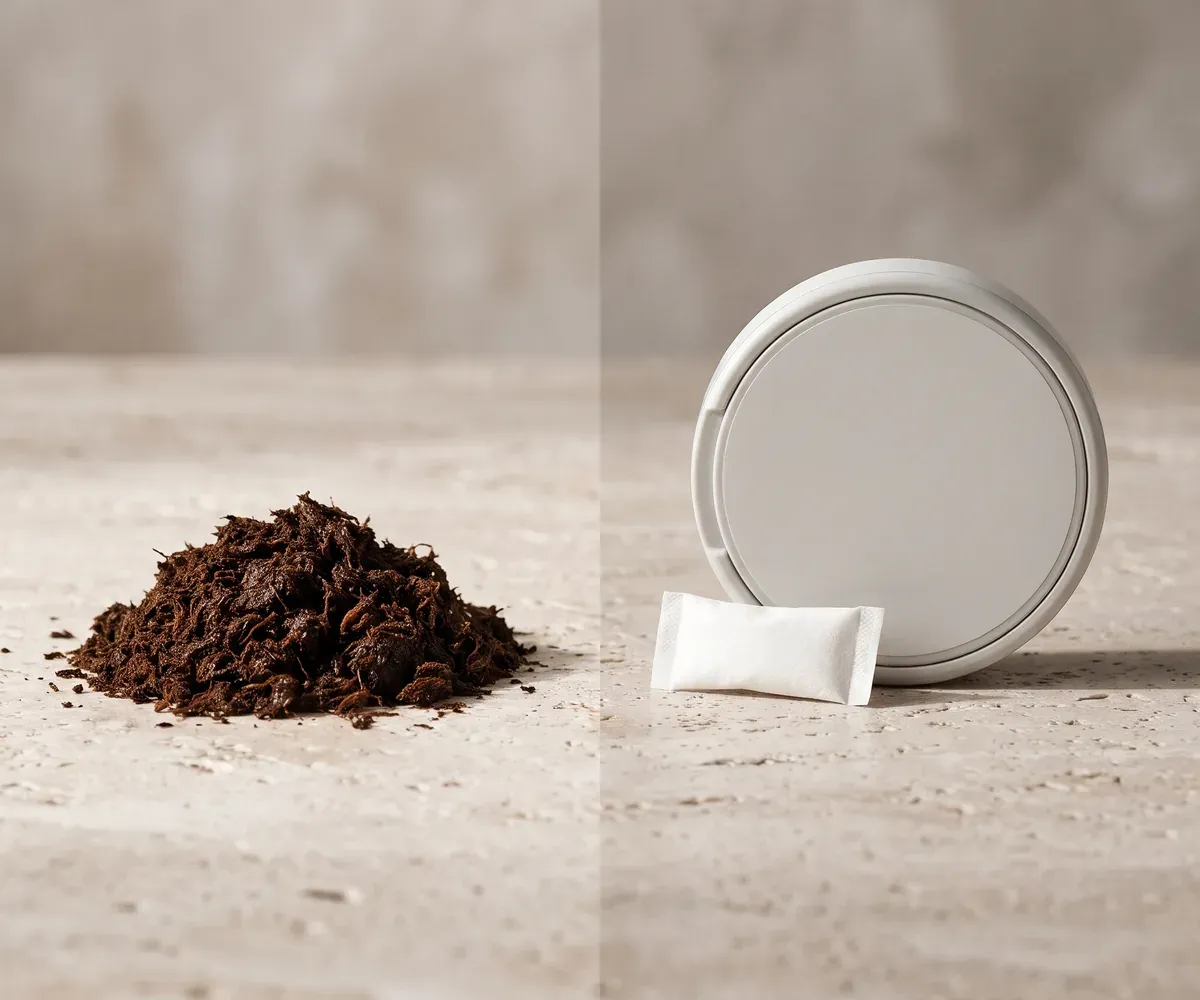
Headlines often call them snus, but snus is something else: a Swedish oral product made from ground tobacco, and its sale is banned across the EU apart from Sweden, Ireland included. A nicotine pouch looks much the same, a small white pouch you tuck under your lip, but the filling is plant fibre with added nicotine and flavourings, and no tobacco. That difference is why one is banned in most of Europe while the other can appear on a Formula 1 car. The two are compared in detail in snus vs nicotine pouches.
VELO belongs to BAT. The brand began life in Sweden as LYFT before BAT brought its pouches under the VELO name. BAT says VELO is made in its specialist factories in Europe, and its main modern oral plant is in Pécs, Hungary.
ZYN comes from Swedish Match, which launched it in the US in 2016 and makes it in Kungälv in Sweden and Owensboro in Kentucky. PMI bought Swedish Match in 2022 in a deal worth around $16 billion. So both F1 pouches have Swedish roots, and both now belong to the companies that once put Lucky Strike and Marlboro on racing cars.
The format itself is older than either brand: the history of nicotine pouches goes back to the 1600s.
How the loophole works, in the words of the rules
The EU directive that applied from 31 July 2005 defines advertising as "any form of commercial communications with the aim or direct or indirect effect of promoting a tobacco product". Ireland's Public Health (Tobacco) Act 2002 makes it an offence to advertise tobacco in breach of that directive, and borrows its definition of advertising. Neither text mentions nicotine on its own.
Next door, the UK advertising regulator spelled out the same reading in 2022: "nicotine pouches do not contain tobacco, so they are not subject to the statutory restriction on the advertising of tobacco products. However, because nicotine is an addictive substance, nicotine pouches should be advertised in a responsible manner."
F1 also never banned tobacco companies. It stopped tobacco advertising, because the law told it to. A tobacco group can sponsor a team for as long as it likes, as long as the thing on the car isn't an advert for a tobacco product. That's how PMI stayed at Ferrari through years with no visible branding at all.
Nicotine on an F1 car isn't new, either. In 1984 and 1985 the RAM team raced as Skoal Racing, carrying US Tobacco's Skoal Bandit: American moist snuff sold in small pouches, which makes it the first pouch brand on a Formula 1 car, 35 years before VELO. And in April 2003 Williams signed GSK's NiQuitin CQ, a nicotine patch brand, as a sponsor. Skoal Bandit contained tobacco and NiQuitin was a patch rather than a pouch, and both were long forgotten by the time VELO arrived.
Ireland has its own chapter in that story. Jordan Grand Prix, the team Eddie Jordan founded, raced under an Irish licence from 1991 to 2005, even though its base was at Silverstone. Benson & Hedges was its main sponsor from 1996 to 2005, and at races where the name wasn't allowed, the yellow car carried wordplay instead: "Bitten & Hisses" in 1997, "Buzzin' Hornets" from 1998 to 2000. A generation later, McLaren would rearrange VELO into LOVE at Zandvoort.
Mission Winnow: the dress rehearsal (2018 to 2021)
To understand ZYN on the Ferrari, start with how Marlboro left it. The last time a cigarette logo appeared openly on an F1 car was the Chinese Grand Prix in October 2007, which Kimi Räikkönen won in a Marlboro-liveried Ferrari. From 2008 the car carried a red, white and black barcode instead. In 2010, after The Times and a spokesperson for the EU health commissioner called it potentially subliminal advertising, Ferrari removed it for the Spanish Grand Prix. Ferrari's president at the time, Luca di Montezemolo, called the criticism "verging on the ridiculous". The word Marlboro came out of the official team name at Silverstone in 2011.
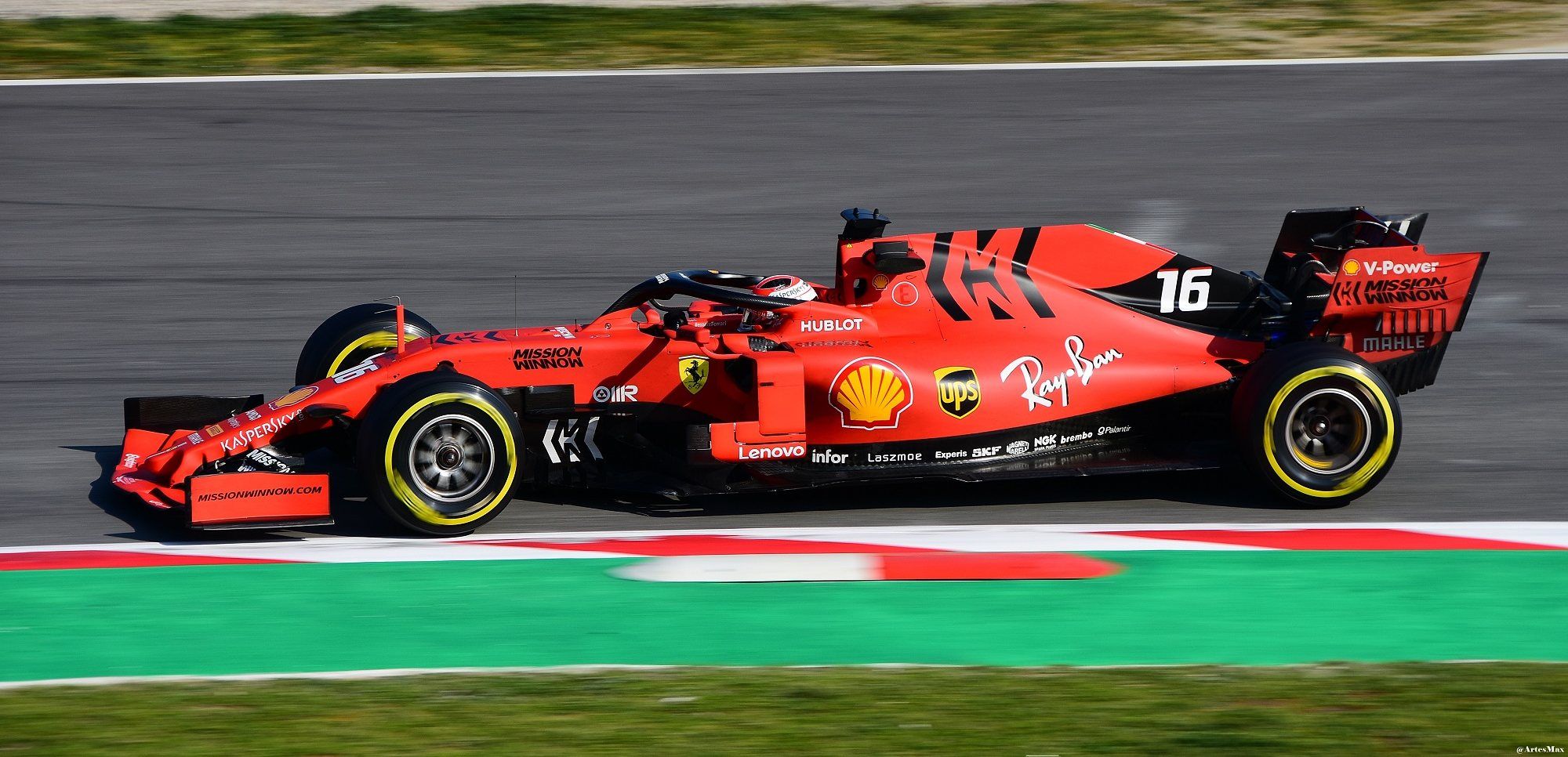
Then PMI tried something stranger. At the 2018 Japanese Grand Prix at Suzuka, Ferrari turned up with a new logo called Mission Winnow. No product, no cigarette, just a name, spread across the engine cover, the rear wing, the halo and the nose.